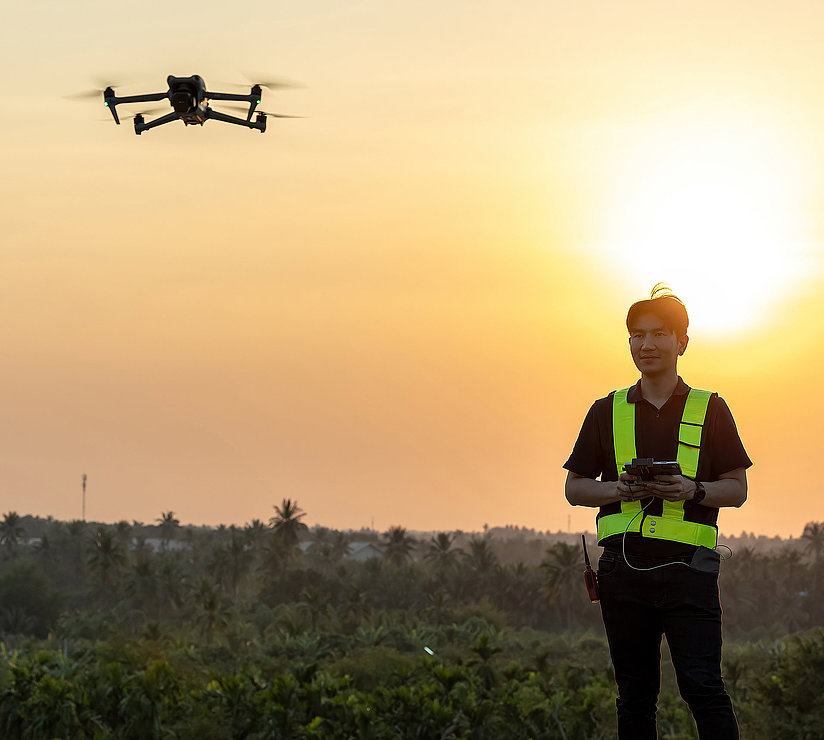
Daily presence on the construction site, construction log, photographic documentation, and monitoring of progress, materials, and the trades involved.
Certification of pipeline construction companies in accordance with DVGW GW 301 for open-cut construction, GW 302 for trenchless methods, and GW 381 for underground pipeline construction, as well as welder examinations and documentation of technical supervision.
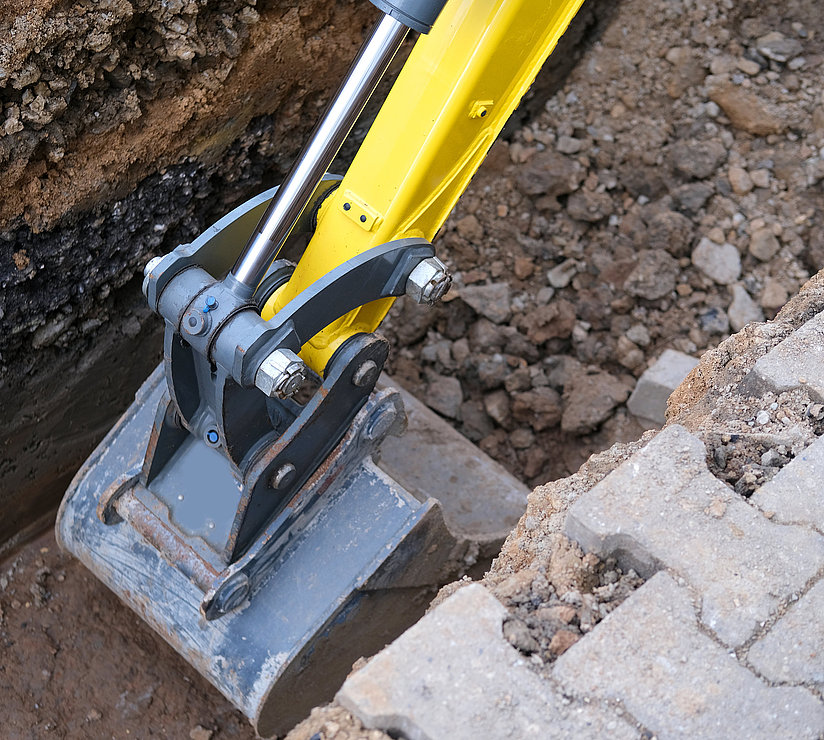
Trench profile, pipe supports and bedding, backfill and compaction calculations, cover depth, warning tape along the route, installation of valves, fire hydrants, and fittings.
Pipe support, sealing open pipe ends, and proper handling of fittings and gaskets. According to the Drinking Water Ordinance and DVGW W 400-2, these are not minor details but rather key inspection points.
Preparation, performance, and evaluation of the pressure test in accordance with DVGW W 400-2 and DIN EN 805 by qualified personnel, including the preparation of a test report.
Flushing and disinfection procedures in accordance with DVGW W 291; sampling and approval of the pipeline only after microbiological test results show no abnormalities
Quantity survey review, evaluation of supplemental bids in accordance with VOB/B, invoice review, and recommendation for approval.
Technical acceptance, defect tracking, acceptance report, handover to network operations, and on-call duty.

Who is authorized to perform a pressure test on a drinking water line?
The DVGW regulations require qualified personnel for the construction and inspection of water distribution systems. The final pressure test in accordance with DVGW W 400-2 must be performed and evaluated by a qualified person. We ensure this qualification is met during construction supervision and also verify it with the contractor.
What is the difference between construction management and construction supervision?
Construction supervision monitors the execution of the project: it verifies that construction is proceeding according to the plans and approvals. Construction management also oversees the project schedule, coordinates the various trades, negotiates change orders, and makes decisions within the scope of the delegated authority. In practice, many utilities award both services as a single package.
How long do the flushing and sampling procedures take before commissioning?
That depends on the pipe length, nominal diameter, and the results of the initial sampling. Allow at least one week after the installation work is completed; allow more time for longer sections or if the results are abnormal. This time must be included in the construction schedule; otherwise, the connection will be delayed.
Do you also provide construction supervision for trenchless methods?
Yes. We monitor flush drilling in accordance with DVGW GW 321, press-fitting and pulling methods in accordance with GW 322-1, and burst lining in accordance with GW 323, as well as open-cut construction. For flush drilling, we pay particular attention to the tensile strength test reports, the drilling path records, and the documentation of technical supervision.
Your Partner for Water Network Construction Projects
With our construction management and supervision services, your water main construction project is in experienced hands. We coordinate the various trades, ensure the quality of workmanship, and make sure the pipeline is connected to the network in a hygienically sound manner.
Do you have any questions? We’d be happy to answer any inquiries you may have regarding construction management, construction supervision, and water pipeline construction.
